The Ultimate Guide to Digital Marketing Services in 2026
The Ultimate Guide to Digital Marketing Services in 2026
About 6 min read
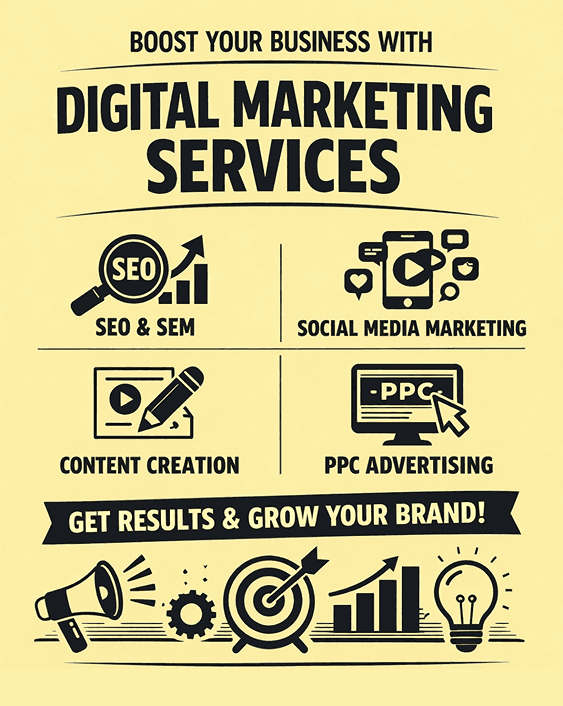
Digital marketing refers to all marketing efforts that use the internet and electronic devices to connect with current and potential customers. It leverages channels such as search engines, social media, email, and websites to promote products and services.
In the rapidly evolving digital landscape, businesses need to adapt their marketing strategies to stay competitive. Digital marketing services encompass a wide range of techniques aimed at reaching and engaging with target audiences online. This comprehensive guide will explore the key components of digital marketing, best practices for 2026, and how to effectively implement these strategies to achieve your business goals.
1. Understanding Digital Marketing
What is Digital Marketing?
Digital marketing refers to all marketing efforts that use the internet and electronic devices to connect with current and potential customers. It leverages channels such as search engines, social media, email, and websites to promote products and services.
Importance of Digital Marketing
In today’s digital age, consumers are increasingly turning to the internet to research products and make purchasing decisions. Effective digital marketing can help businesses reach a larger audience, build brand awareness, and drive sales.
2. Key Components of Digital Marketing
Search Engine Optimization (SEO)
SEO involves optimizing your website and content to rank higher in search engine results pages (SERPs). Key elements of SEO include keyword research, on-page optimization, and building high-quality backlinks.
Content Marketing
Content marketing focuses on creating and distributing valuable, relevant, and consistent content to attract and engage a clearly defined audience. This includes blog posts, articles, videos, infographics, and more.
Social Media Marketing
Social media marketing uses platforms like Facebook, Instagram, Twitter, and LinkedIn to promote products and services. It involves creating engaging content, running ads, and interacting with followers.
Email Marketing
Email marketing involves sending targeted messages to a group of subscribers via email. It is a highly effective way to nurture leads, build relationships with customers, and drive conversions.
Pay-Per-Click (PPC) Advertising
PPC advertising allows businesses to place ads on search engines and other platforms. Advertisers pay a fee each time their ad is clicked. This method can drive immediate traffic to your website and generate leads.
3. SEO Best Practices for 2026
Keyword Research
Effective SEO starts with thorough keyword research. Use tools like Google Keyword Planner, Ahrefs, or SEMrush to identify relevant keywords and phrases that your target audience is searching for. Focus on long-tail keywords, which are more specific and have lower competition.
On-Page SEO
On-page SEO involves optimizing individual web pages to rank higher in SERPs. Key practices include:
- Title Tags: Include your main keyword and keep it under 60 characters.
- Meta Descriptions: Provide a concise summary of the page content, including the main keyword.
- Headers (H1, H2, H3): Use headers to structure your content and include keywords naturally.
- Internal Links: Link to other relevant pages on your website to keep users engaged.
- Alt Text for Images: Describe images using relevant keywords to improve accessibility and SEO.
Technical SEO
Technical SEO focuses on the backend of your website. Important aspects include:
- Site Speed: Ensure your website loads quickly to reduce bounce rates.
- Mobile-Friendliness: Optimize your site for mobile devices, as more users are accessing the web on their phones.
- Schema Markup: Use schema markup to help search engines understand your content and improve your visibility in SERPs.
Off-Page SEO
Off-page SEO involves activities outside your website that can impact your rankings. This includes building high-quality backlinks from reputable sites, social signals, and online reviews.
4. Content Marketing Strategies
Creating High-Quality Content
High-quality content is essential for attracting and retaining your audience. Ensure your content is:
- Valuable: Provide useful information that addresses your audience’s needs and pain points.
- Engaging: Use a conversational tone, compelling headlines, and visuals to keep readers interested.
- Original: Avoid duplicate content and offer a unique perspective.
Content Distribution Channels
Once you’ve created great content, distribute it through various channels to reach a wider audience. This includes your website, social media platforms, email newsletters, and guest blogging on industry-related sites.
Measuring Content Performance
Track the performance of your content using metrics like page views, time on page, social shares, and conversion rates. Use these insights to refine your content strategy and improve future efforts.
5. Social Media Marketing Trends
Platforms to Focus On
In 2026, focus on the social media platforms where your target audience spends the most time. This could be Facebook, Instagram, LinkedIn, TikTok, or emerging platforms. Each platform has unique features and demographics, so tailor your strategy accordingly.
Effective Social Media Strategies
To succeed in social media marketing, consider these strategies:
- Consistent Posting: Regularly post high-quality content to keep your audience engaged.
- Interactive Content: Use polls, quizzes, and live videos to encourage interaction.
- Influencer Collaborations: Partner with influencers to reach a larger audience and build credibility.
- Paid Advertising: Use targeted ads to reach specific demographics and drive traffic to your site.
Measuring Social Media ROI
Measure the success of your social media efforts by tracking metrics like engagement rates, follower growth, and conversion rates. Use these insights to adjust your strategy and improve results.
6. Email Marketing Tactics
Building and Segmenting an Email List
Build a high-quality email list by offering valuable content, discounts, or exclusive access to subscribers. Segment your list based on factors like demographics, past behavior, and interests to send more targeted and relevant messages.
Crafting Compelling Email Content
Create engaging email content that encourages recipients to take action. Use attention-grabbing subject lines, personalized greetings, and clear calls-to-action (CTAs). Keep your emails concise and visually appealing.
Automating Email Campaigns
Automation can save time and ensure timely communication with your audience. Use email marketing tools to set up automated campaigns, such as welcome emails, abandoned cart reminders, and re-engagement campaigns.
7. PPC Advertising Insights
Choosing the Right Platforms
Select PPC platforms based on where your audience is most active. Google Ads is great for reaching a broad audience, while platforms like Facebook Ads and LinkedIn Ads offer more targeted options.
Crafting Effective Ad Copy
Write compelling ad copy that grabs attention and encourages clicks. Highlight the unique benefits of your product or service, include a strong CTA, and use keywords relevant to your audience’s search queries.
Optimizing Campaigns for Better ROI
Continuously monitor and adjust your PPC campaigns to improve performance. A/B test different ad creatives, adjust bidding strategies, and refine targeting parameters to maximize your return on investment.
Meet Seema Web Solution
Watch our introduction to the team and the web design and digital marketing services we provide.
Rated 5.0 out of 5 from 62 Google reviews. Read our Google reviews.

Copyright © Seema Web Solution. All Rights Reserved

